


A Complex Issue
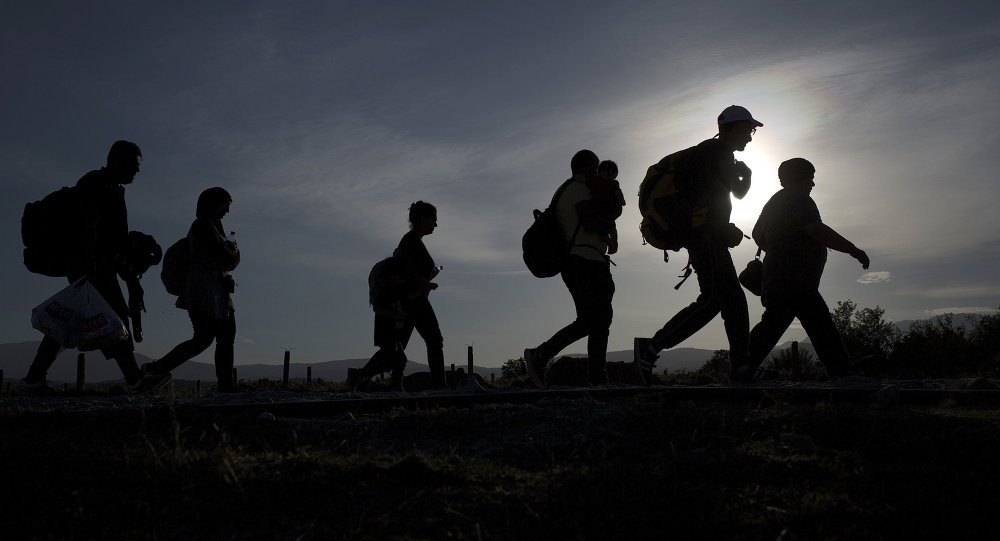
Migration in Mexico is a complex issue shaped by many factors throughout the country’s history. Both internal migration, when people move from one region to another within the country, and external migration, when people seek better opportunities abroad, have been influenced by social, economic and political circumstances. Over the years, poverty has been one of the main drivers of migration. In many communities, the lack of economic resources and quality jobs has forced entire families to look for alternatives elsewhere, either within Mexico or in the United States and other countries.
Violence and insecurity have also increased significantly, especially in certain regions, turning them into sources of migration. Criminal organizations and the violence associated with them create a hostile environment that harms quality of life and, as a result, pushes people to move to safer places. Limited access to basic services, such as education and health care, also encourages people to leave for more developed states or for other countries.
From a geostrategic perspective, Mexico plays a crucial role as a country of transit and destination for migrants of many nationalities. Its proximity to the United States, often seen as a country with greater opportunities, attracts a large number of migrants from Central America and other parts of the world. Understanding migration in Mexico therefore requires looking at both the immediate causes and the structures that facilitate or limit the movement of people over time.
The Socioeconomic Impact of Migration in Mexico
Migration has been a persistent and dynamic phenomenon in Mexico, with a deep influence on many socioeconomic aspects of the country. One of its most tangible and measurable effects is the remittances sent by Mexican migrants. In the last decade, remittances have reached record levels and contribute significantly to the national economy. Families that receive remittances usually gain purchasing power, which translates into a better quality of life, access to health care and education, and opportunities to invest in local businesses.
However, migration also poses challenges for the Mexican labor market. On the one hand, migrants often face a lack of recognition of their qualifications and skills, which can lead them to take jobs below their level. On the other hand, the arrival of new workers in certain regions can put pressure on the labor market, affect working conditions and strain available resources. The most vulnerable groups may see their income and jobs affected by this competition for work.
Migration can also change the country’s demographic structure. As the population of certain regions declines because people move abroad, it becomes harder to sustain local communities. This can increase social problems, such as an aging population and labor shortages in some sectors. Receiving communities, in turn, must integrate migrants, which can create challenges for infrastructure, public services and social cohesion.
Evolving Immigration Policies
Migration in Mexico has led to a legal framework and immigration policies that seek to address the situation in a balanced way. These rules have evolved over the years in response to changes in the social, political and economic context, both nationally and internationally. In response to growing migration pressure, the Mexican government has introduced several laws and initiatives that have generated significant public debate.
One of the most relevant laws is the 2011 Migration Law (Ley de Migración), which sets out fundamental rights for migrants and places the protection of human rights at the center of the country’s migration strategy. However, its effectiveness has been questioned, as there have been reports that migrants’ rights are not always respected.
The government has also implemented initiatives such as migrant regularization programs and family reunification policies, which aim to meet the needs of migrant communities. These measures seek not only to make it easier for migrants to obtain documents, but also to ensure a humanitarian approach. Although these initiatives are relevant, many challenges remain, such as limited resources and inadequate infrastructure.
Political debates on migration have intensified the discussion about how to balance migrants’ human rights with national security concerns. Civil society has also played a crucial role in pushing for more inclusive and effective policies. In this context, the constant evolution of Mexico’s immigration policies reflects a dynamic response to a complex phenomenon that requires comprehensive and sustained attention.
The Future of Migration in Mexico
Migration in Mexico has been a dynamic phenomenon that has faced many challenges over the years. Looking ahead, it is crucial to understand how current mobility trends, climate change and Mexico’s foreign policy will shape migration. Projections suggest that migration to and from Mexico will remain a complex, multifaceted process.
Climate change is one of the key factors. Adverse weather conditions, such as extreme droughts and severe storms, can force vulnerable communities in Central America to seek alternatives in other countries. Mexico is both a destination and a transit country, which will require its immigration policies to adapt to the needs of people forced to move for environmental reasons.
Mexico’s foreign policy toward the United States and Central America will also be essential in shaping migration flows. Initiatives that promote cooperation on economic development and security in the region can reduce migration pressure. An effective response, however, must include a human rights approach, so that policies are not only restrictive but also inclusive and fair.
Finally, it is advisable to implement immigration policies that include socioeconomic integration programs for migrants. These policies should address existing barriers and help migrants become part of Mexican society, in an environment that recognizes their contributions and respects their dignity.
Understanding these issues and applying them when designing policies can lead to safer, more orderly and more productive migration, benefiting both migrants and the communities that receive them in Mexico.